
Tummy Tuck (Abdominoplasty)
Restoring the Shape of Your Abdomen and Torso
Pregnancy, significant weight loss, aging, and genetics can all contribute to loose abdominal skin, stretched muscles, and changes in body contour that cannot be corrected through diet and exercise alone.
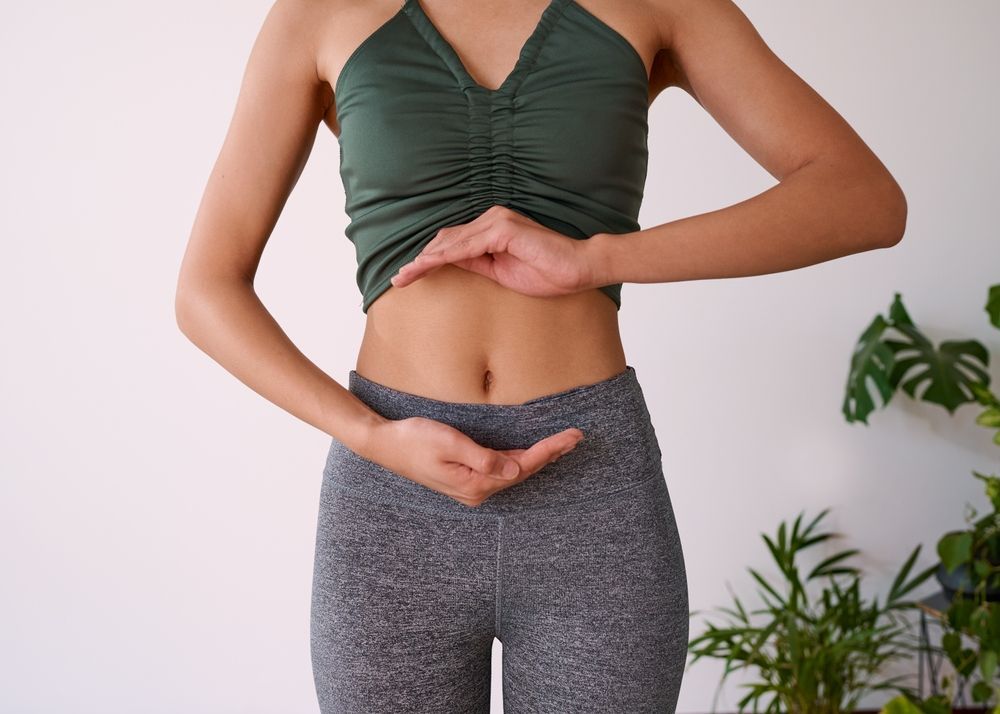
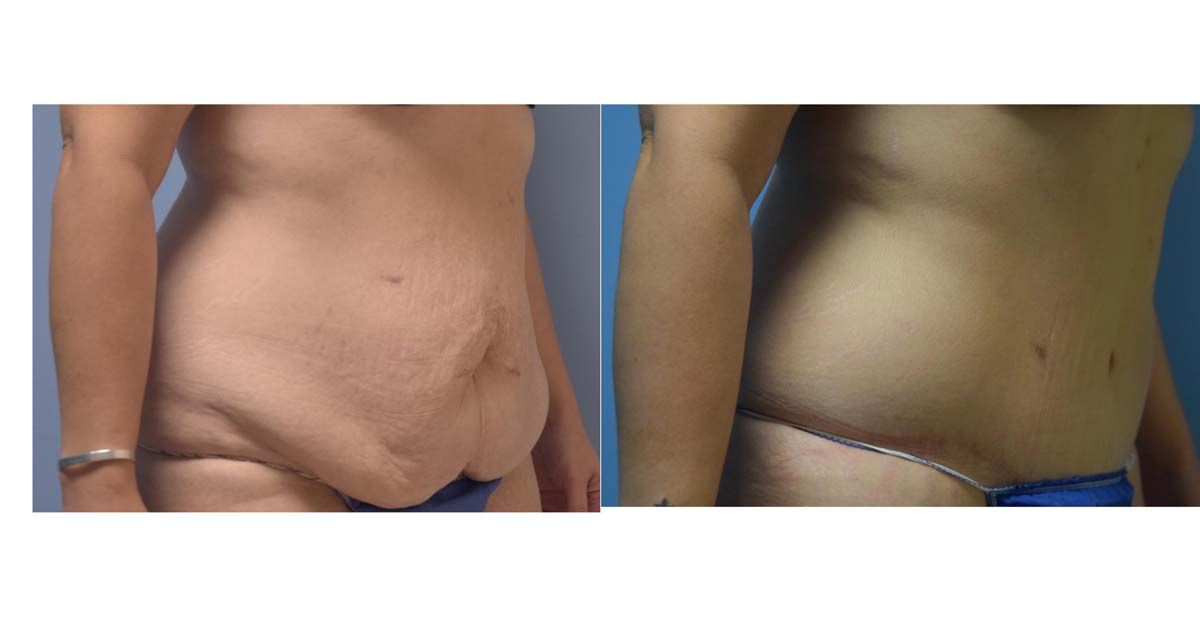
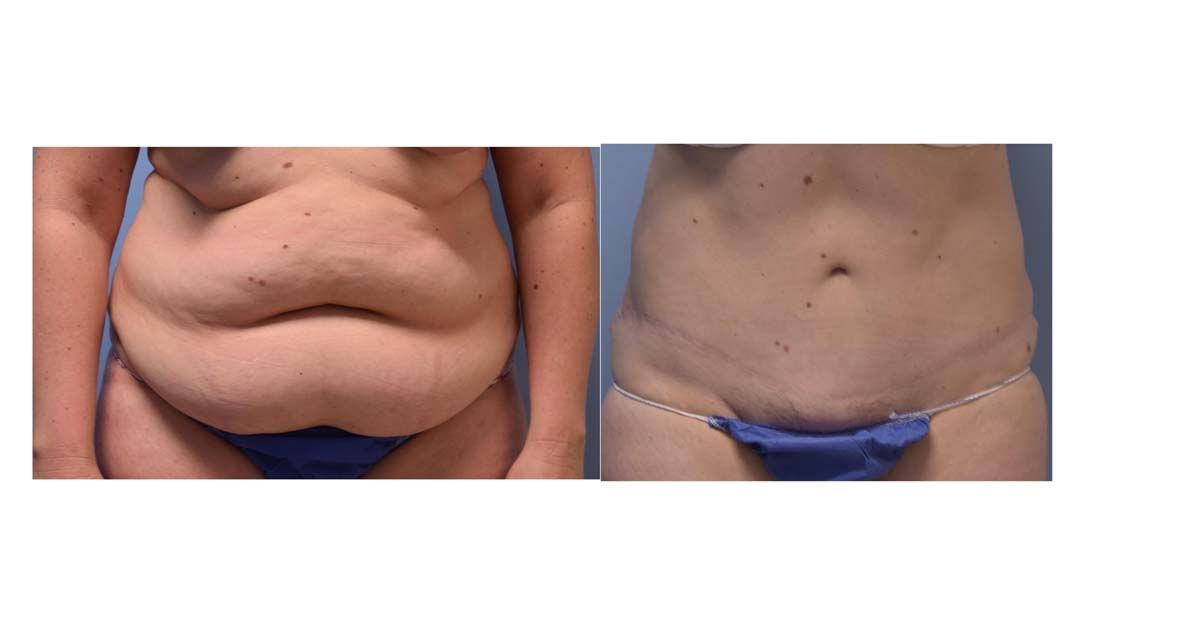
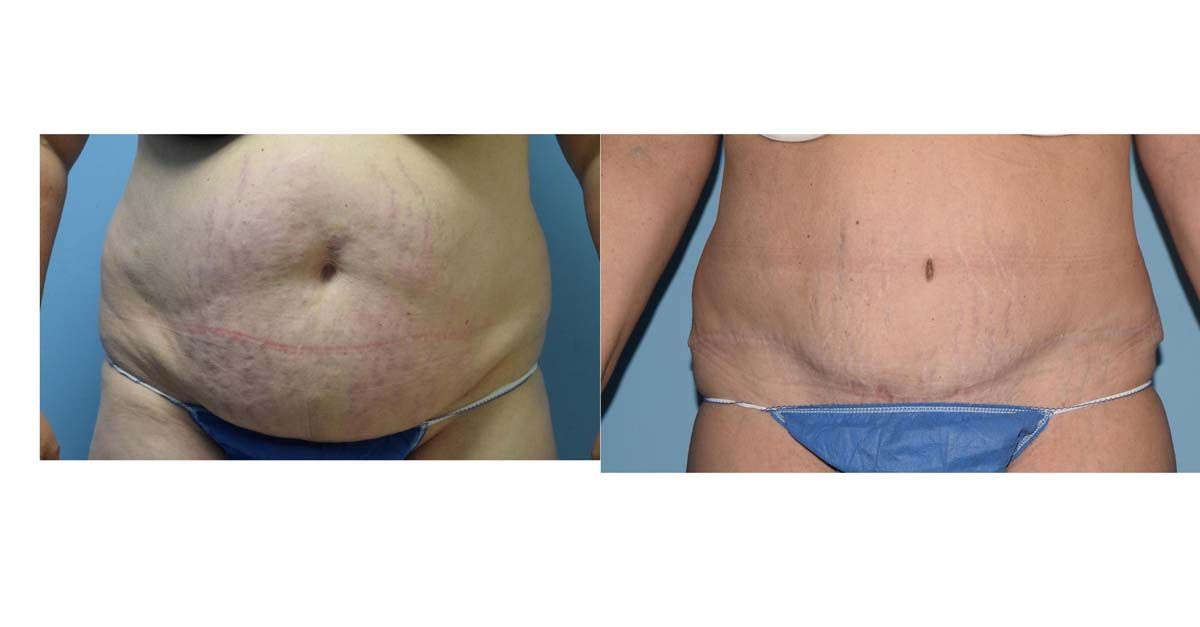
Abdominoplasty, commonly known as a tummy tuck, is designed to restore a firmer, flatter abdomen while improving the overall proportions of the torso.
For many patients, the operation is about far more than appearance. Repairing separated abdominal muscles (rectus diastasis) can improve core strength, posture, and abdominal contour, while removal of excess skin can improve comfort, hygiene, and clothing fit.
Every Patient Is Different
There is no single tummy tuck that is appropriate for every patient.
Some patients have loose skin confined primarily to the lower abdomen. Others have excess tissue extending onto the hips, lower back, or around the entire waist following significant weight loss.
During your consultation, Dr. Branch carefully evaluates:
- Skin quality and elasticity
- Distribution of excess skin and fat
- Abdominal muscle separation
- Previous abdominal surgery
- Weight stability
- Overall body proportions
- Your personal goals and lifestyle
Your operation is then individualized to provide the safest surgery and the most balanced long-term result.
Standard Abdominoplasty
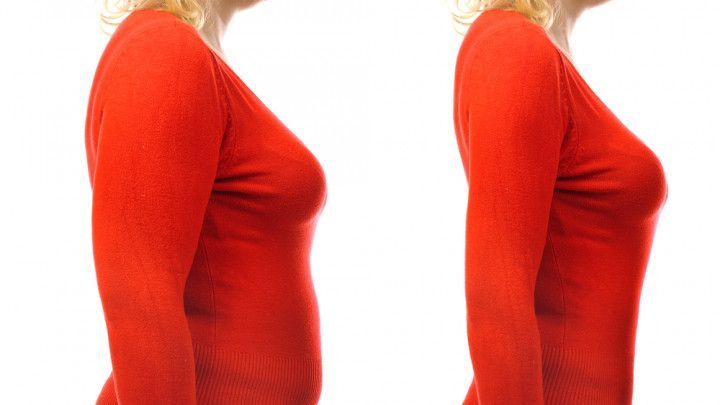
A traditional tummy tuck removes excess skin and fat from the lower abdomen while repairing separated abdominal muscles when appropriate.
The incision is placed low on the abdomen so it can usually be concealed beneath most underwear and swimwear.
Liposuction is frequently combined with abdominoplasty to improve the waistline and create smoother transitions between the abdomen and surrounding areas.
Extended Abdominoplasty
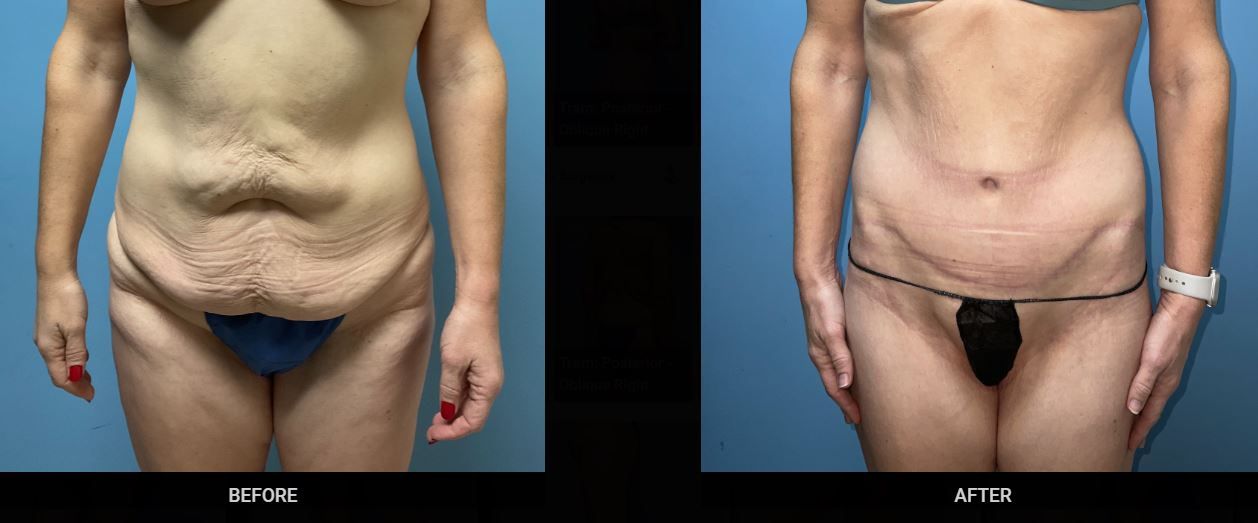
For patients with excess skin extending beyond the hips, an extended abdominoplasty allows additional contouring of the waist and flanks.
The incision extends farther toward the sides, permitting removal of more loose tissue while creating improved waist definition and a smoother overall torso contour.
This operation is commonly recommended for patients following moderate to significant weight loss.

Fleur-de-Lis Abdominoplasty
Addressing Both Vertical and Horizontal Skin Excess
Some patients who have experienced significant weight loss develop excess skin in two directions—both hanging downward and wrapping from side to side around the abdomen. In these situations, a traditional tummy tuck may not adequately tighten the upper abdomen or narrow the waist.
A Fleur-de-Lis abdominoplasty combines the standard lower abdominal incision with a carefully planned vertical incision in the midline, allowing excess skin to be removed both horizontally and vertically. This technique can dramatically improve abdominal contour, waist definition, and overall body proportions in appropriately selected patients.
A Fleur-de-Lis abdominoplasty is also an excellent option for some patients who already have a midline abdominal scar from previous surgery, allowing that existing scar to be incorporated into the reconstruction while achieving a more comprehensive contour improvement.
Although the procedure results in an additional vertical scar, many patients feel the significant improvement in body shape, clothing fit, and comfort far outweighs the tradeoff. During your consultation, Dr. Branch will determine whether a standard abdominoplasty, extended abdominoplasty, circumferential body lift, or Fleur-de-Lis abdominoplasty is most appropriate for your anatomy and goals.
Circumferential Body Lift
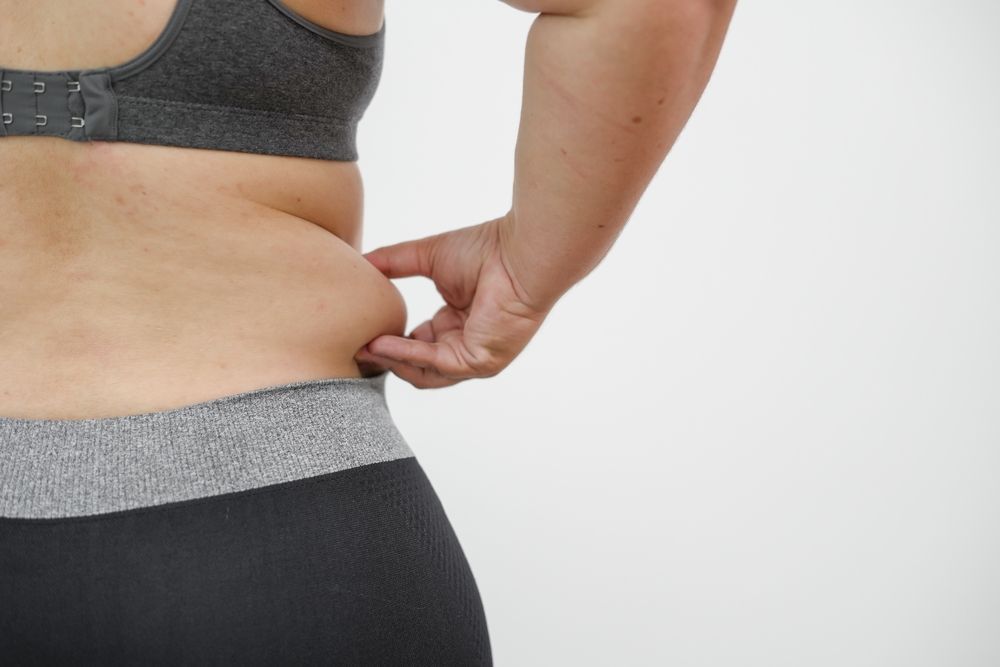
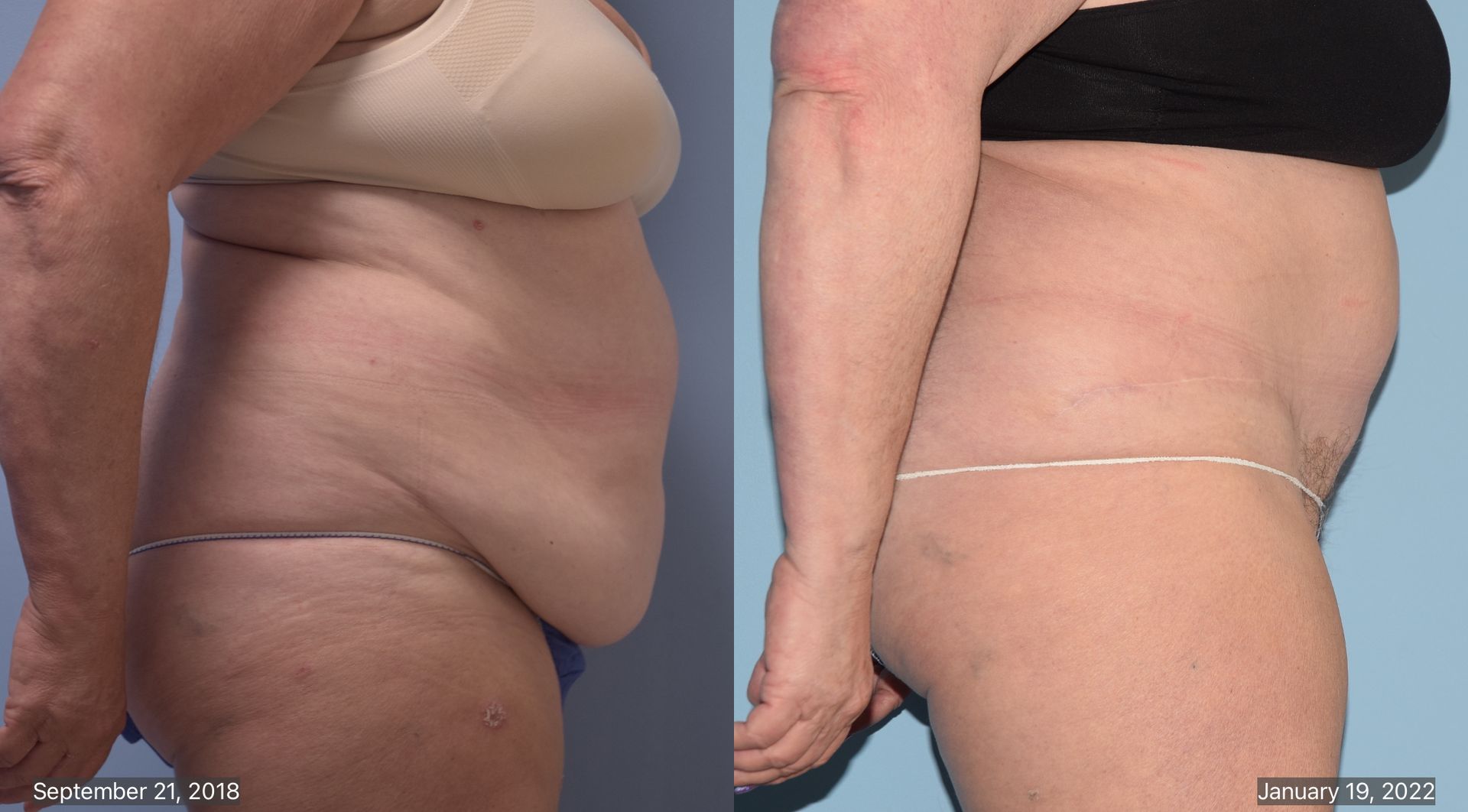
Patients who have experienced major weight loss often develop excess skin involving not only the abdomen but also the hips, lower back, buttocks, and outer thighs.
A circumferential body lift addresses the entire lower torso by removing excess skin around the waist rather than only from the front of the abdomen.
By treating the abdomen, flanks, back, and buttocks together, this procedure restores body proportions in a way that cannot be achieved with a tummy tuck alone.
Autoaugmentation of the Buttocks
One of the advantages of a circumferential body lift is the opportunity to improve buttock shape without implants.
Rather than discarding all of the tissue removed during surgery, carefully selected tissue can sometimes be repositioned to restore buttock projection and improve contour. This technique, known as autologous buttock autoaugmentation, uses your own tissue to recreate a fuller, more youthful shape while avoiding the need for buttock implants.
Whether autoaugmentation is appropriate depends on your anatomy, the amount of available tissue, and your aesthetic goals.
Our Surgical Philosophy
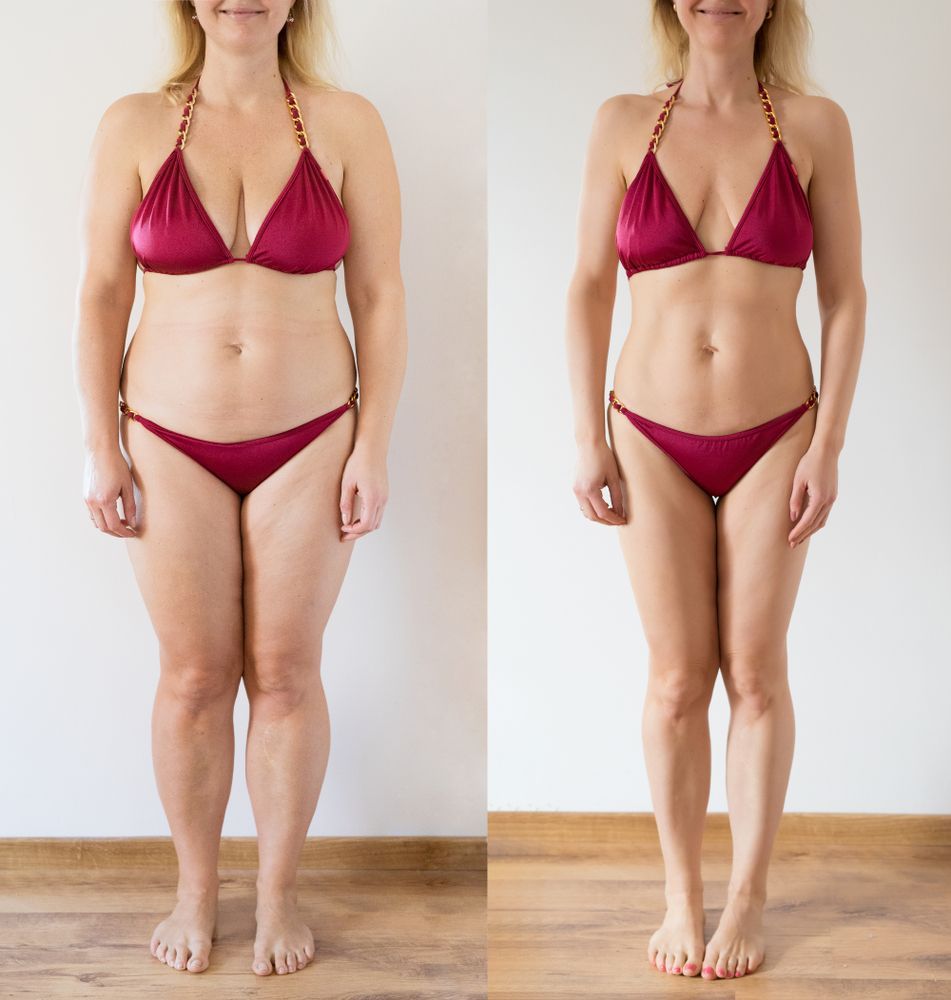
Body contouring is about restoring proportion—not simply removing skin.
Dr. Branch believes successful abdominoplasty should create a smooth, natural transition between the abdomen, waist, hips, and lower back while maintaining harmony with the rest of the body.
Every recommendation is individualized. Some patients benefit from a standard tummy tuck, while others achieve a better and more durable result with an extended abdominoplasty or circumferential body lift.
The goal is to select the operation that best fits your anatomy—not to perform the same procedure on every patient.
What to Expect
Abdominoplasty and body contouring procedures are generally performed as outpatient surgery in our private, AAAASF-accredited Cosmetic Surgery Center.
Many procedures can safely be combined with liposuction or other body contouring operations as part of a carefully planned surgical strategy. To maximize patient safety, Dr. Branch generally plans combined procedures so that operative time remains well under approximately six hours whenever possible. More extensive body contouring is often performed in stages to optimize healing and recovery.
Most patients return to light daily activities within two weeks, with return to work typically occurring in two to four weeks depending upon the extent of surgery. Heavy lifting and strenuous exercise are usually resumed after approximately six weeks.
Understanding the Risks
As with any surgery, abdominoplasty carries potential risks, including bleeding, infection, delayed wound healing, fluid collections (seroma), blood clots, unfavorable scarring, skin loss, numbness of the abdominal skin, asymmetry, recurrent laxity with future pregnancy or weight gain, and the possible need for revision surgery.
Patients are carefully evaluated before surgery to minimize these risks and optimize recovery.
The Consultation Matters Most
Every patient has a different vision of success.
Some hope to restore their abdomen after pregnancy. Others wish to complete a remarkable weight-loss journey. Some seek improved comfort, while others simply want clothing to fit more comfortably.
During your consultation, Dr. Branch will carefully evaluate your anatomy, discuss your goals, and explain which operation—or combination of procedures—is most likely to provide the safest, most natural, and longest-lasting result.
The goal is not simply a flatter abdomen.
It is restoring balance, comfort, confidence, and proportion to your entire torso.



Have Questions? Reach Out To Us Today.
Take This First Step – We’re Here For You!
Contact Us
We will get back to you as soon as possible.
Please try again later.