
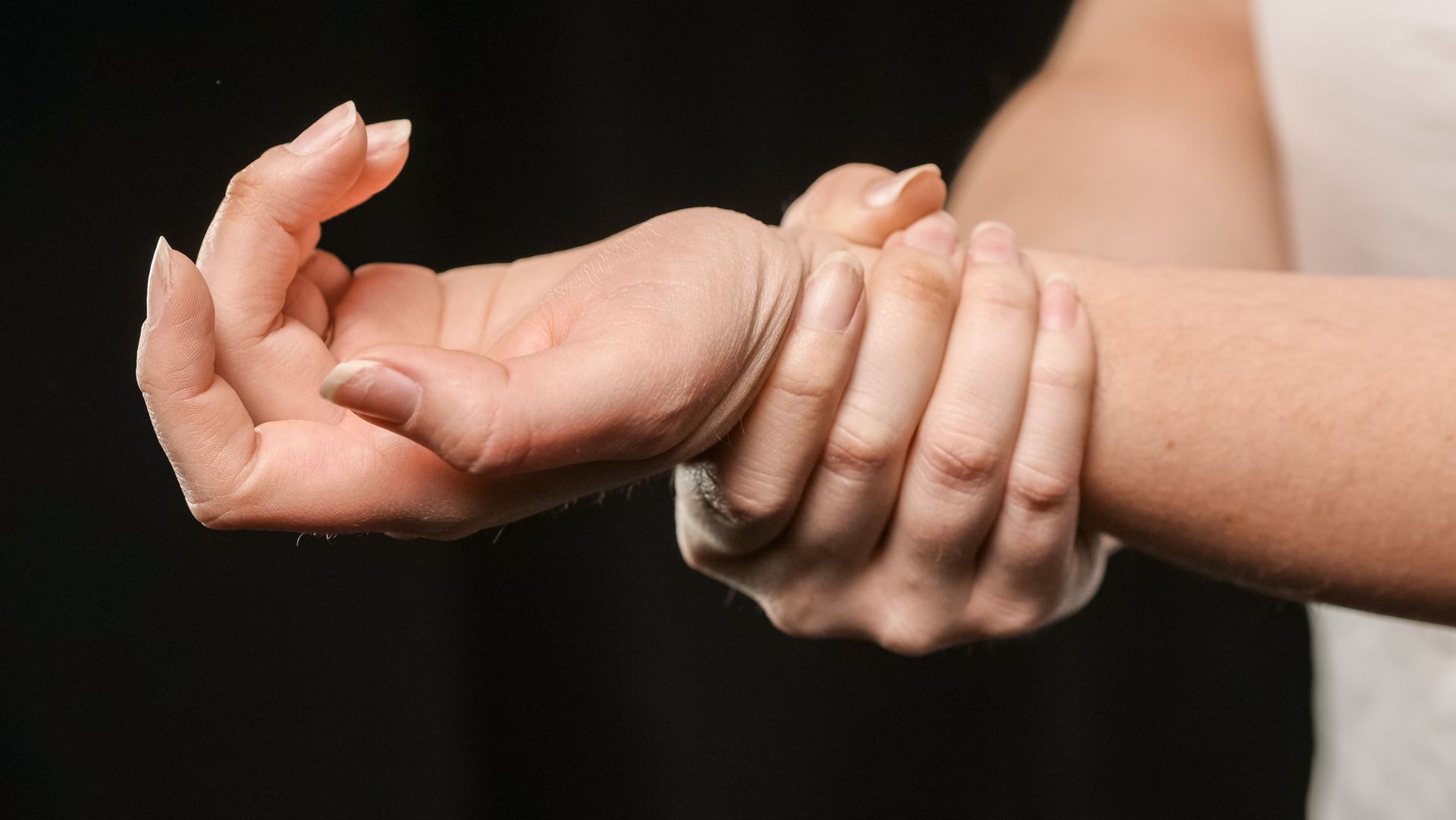
Carpal Tunnel Syndrome
Relieving Nerve Compression and Restoring Hand Function
Carpal tunnel syndrome is one of the most common causes of numbness, tingling, pain, and weakness in the hand. It occurs when the median nerve becomes compressed as it passes through the carpal tunnel at the wrist.
Although symptoms often begin gradually, untreated nerve compression may eventually lead to permanent numbness, muscle weakness, and loss of dexterity.
Many patients improve with splinting, activity modification, anti-inflammatory treatment, or corticosteroid injections. When symptoms become persistent, progressive, or when nerve testing demonstrates significant compression, surgery may provide the best opportunity for nerve recovery.
Our Surgical Approach
Dr. Branch performs open carpal tunnel release, a procedure that has remained the gold standard for safely relieving pressure on the median nerve.
Through a carefully placed incision in the palm, the transverse carpal ligament is divided, permanently relieving pressure on the nerve while allowing direct visualization of the surrounding anatomy.
Although endoscopic carpal tunnel release uses a smaller skin incision, Dr. Branch generally prefers the open approach because it provides complete visualization of the nerve and surrounding structures. In his experience, the slightly larger incision is a worthwhile tradeoff for maximizing safety and minimizing the risk of injury to the median nerve.
Patients who strongly prefer an endoscopic approach are encouraged to discuss that option, and referral to an experienced colleague is always available.
What to Expect
Carpal tunnel release is typically performed as an outpatient procedure using local anesthesia, allowing most patients to return home shortly after surgery.
Light use of the hand begins almost immediately, while grip strength gradually improves over several weeks. Recovery of sensation depends largely on how severely and how long the nerve was compressed before surgery. Patients with longstanding numbness or muscle weakness may continue to improve for many months as the nerve slowly recovers.

Persistent or Recurrent Carpal Tunnel Syndrome
Most patients experience lasting relief following carpal tunnel release. Occasionally, however, numbness or pain persists or returns despite technically successful surgery.
The cause may include prolonged nerve injury before surgery, recurrent scar formation around the nerve, incomplete release, or other conditions affecting nerve function.
Careful evaluation is essential before considering additional surgery.
For selected patients with persistent median nerve dysfunction, Dr. Branch is investigating the role of autologous fat grafting as an adjunct to revision surgery. Early clinical experience and emerging scientific literature suggest that fat grafting may help improve the environment surrounding chronically injured nerves by reducing scar adherence and enhancing tissue quality. These applications continue to be studied and are offered only when appropriate after careful patient evaluation.
Our Philosophy
The goal of carpal tunnel surgery is not simply to divide a ligament.
It is to restore hand function while protecting one of the hand's most important nerves.
Every treatment recommendation is individualized. Some patients improve without surgery. Others benefit from early nerve decompression before permanent damage occurs. Careful diagnosis and thoughtful timing remain the keys to achieving the best long-term results.
The Consultation Matters Most
Not every numb hand is caused by carpal tunnel syndrome.
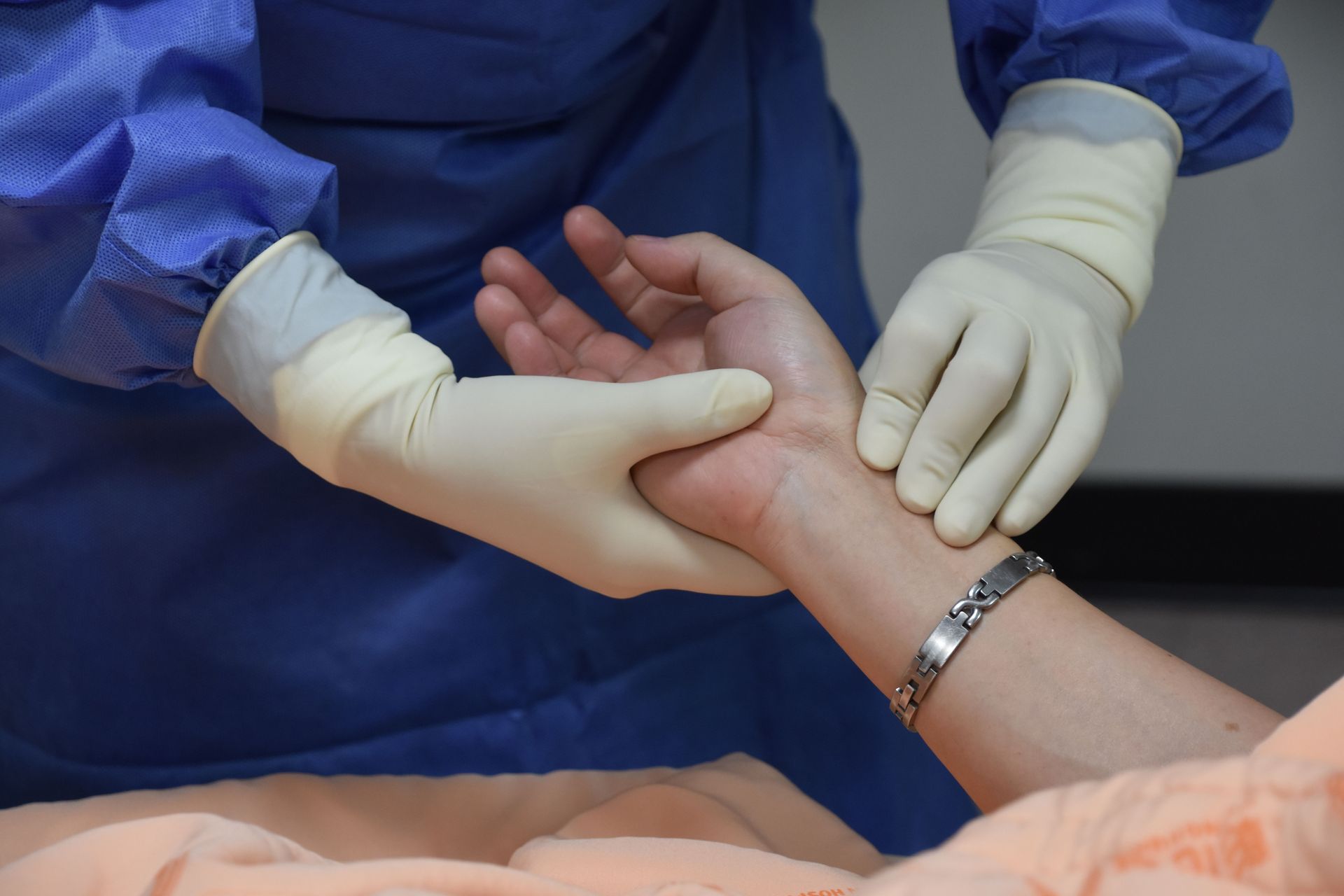
During your consultation, Dr. Branch will carefully review your symptoms, examine your hand, interpret nerve conduction studies when available, and determine whether your symptoms arise from the median nerve, another nerve compression syndrome, arthritis, cervical spine disease, or another condition.
Our goal is not simply to perform surgery.
It is to identify the true cause of your symptoms and recommend the treatment most likely to restore comfortable, functional use of your hand.
Have Questions? Reach Out To Us Today.
Take This First Step – We’re Here For You!
Contact Us
We will get back to you as soon as possible.
Please try again later.