
Eyelid Surgery (Blepharoplasty)
Looking Rested, Alert, and Naturally Refreshed
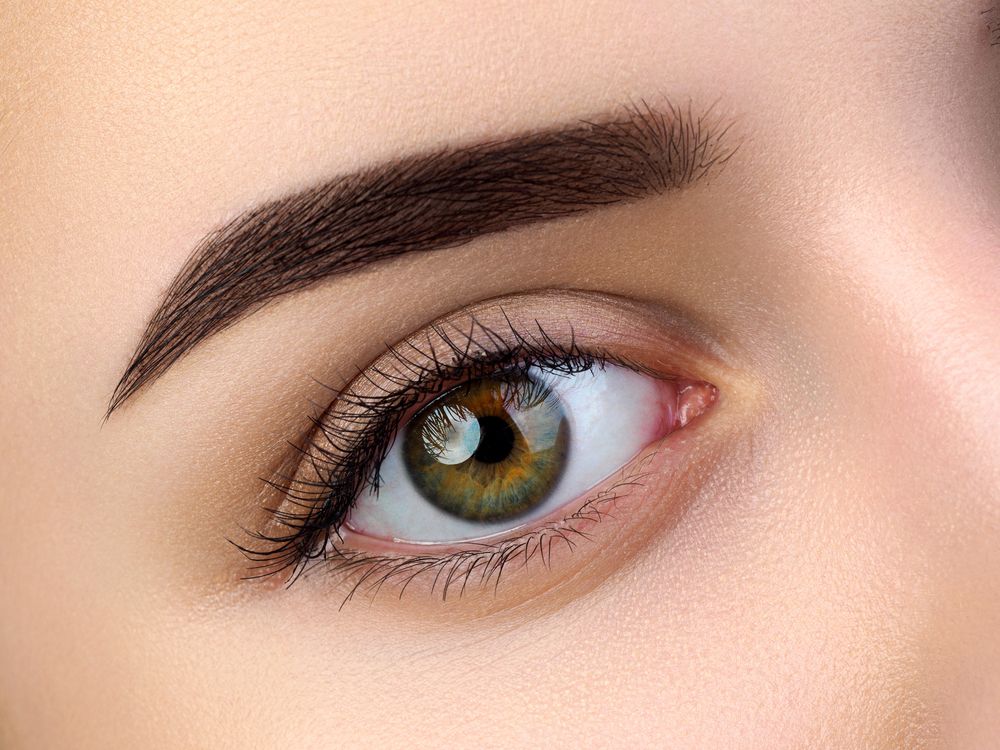
The eyes are often the first feature people notice—and one of the first areas of the face to show the effects of aging.
Drooping upper eyelids, puffiness beneath the eyes, excess skin, and prominent fat pockets can create an appearance of fatigue or aging that may not reflect how energetic you actually feel.
Blepharoplasty, or eyelid surgery, is designed to restore a more rested, youthful appearance while preserving the natural expression and character of your eyes.
Upper and Lower Eyelids Are Different Operations
Although often discussed together, upper and lower eyelid surgery address different concerns.
Upper Blepharoplasty
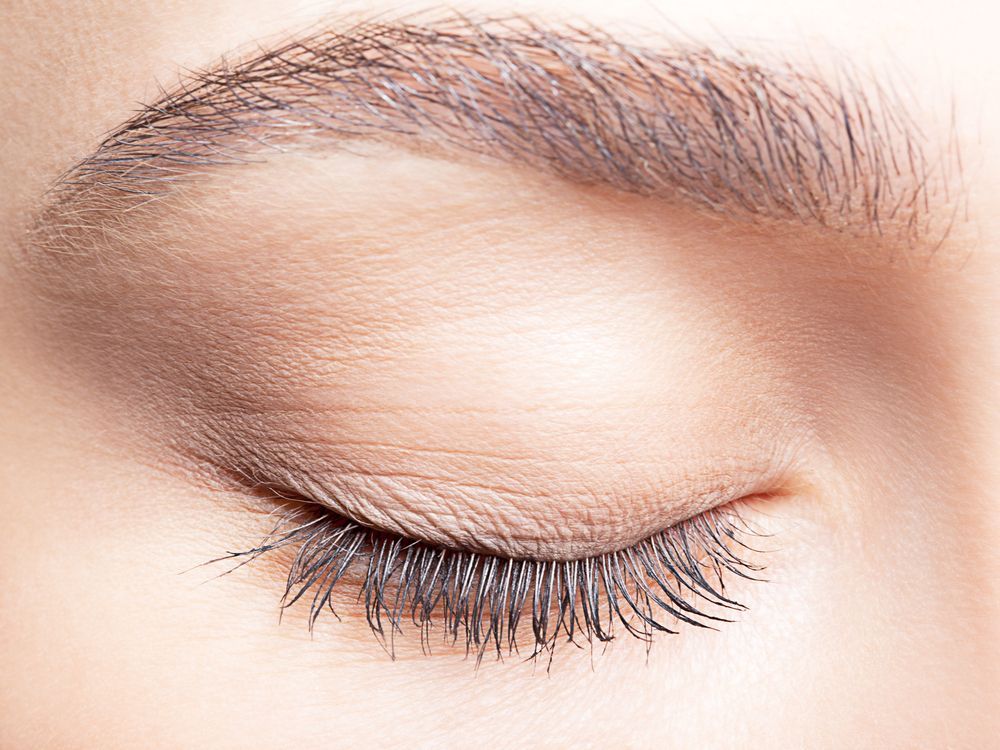
Upper eyelid surgery removes carefully selected excess skin and, when appropriate, small amounts of fat to restore a more open, refreshed appearance. In some patients, excess upper eyelid skin becomes significant enough to interfere with peripheral vision, in which case the procedure may qualify for insurance coverage.
When performed by itself, upper eyelid surgery can often be completed comfortably in our office using local anesthesia with minimal downtime.
Lower Blepharoplasty
Lower eyelid surgery addresses puffiness, prominent fat pads, excess skin, and age-related changes beneath the eyes.
Because lower eyelid surgery requires more extensive work around the eye and careful management of the lower lid support, Dr. Branch performs these procedures under intravenous sedation or general anesthesia to maximize patient comfort and surgical precision.
In many patients, upper and lower eyelid procedures are combined with other facial rejuvenation procedures such as facelift, brow lift, laser resurfacing, or facial fat grafting.
Our Surgical Philosophy
The goal of blepharoplasty is not to change the shape of your eyes.
It is to remove the features that make you appear tired while preserving the natural character of your face.
Dr. Branch believes eyelid surgery should be conservative and individualized. Removing too much skin or fat can create an unnatural appearance or interfere with normal eyelid function.
Instead, careful planning, precise tissue removal, and preservation of normal eyelid anatomy help create results that are natural, balanced, and long-lasting.
The best eyelid surgery is often the one that no one recognizes as surgery.

What to Expect
Blepharoplasty is usually performed as an outpatient procedure.
Upper eyelid surgery alone often takes less than an hour and may be performed comfortably under local anesthesia. Combined upper and lower eyelid surgery generally requires intravenous sedation or general anesthesia and may take several hours, particularly when performed with additional facial procedures.
Most patients return to work and social activities within approximately seven to ten days, although mild swelling and subtle healing continue for several weeks.
Temporary dryness, tearing, light sensitivity, and blurred vision are common during the early recovery period and generally improve as healing progresses.
Understanding the Risks
As with any surgical procedure, blepharoplasty carries potential risks, including bleeding, infection, asymmetry, dry eyes, temporary blurred vision, difficulty fully closing the eyelids, changes in eyelid position, scarring, prolonged swelling, and the possible need for revision surgery.
Serious complications affecting vision are extremely rare but are discussed as part of every informed consent process.
During your consultation, Dr. Branch will carefully evaluate your eyelid anatomy, tear production, vision, and overall eye health to determine the safest and most appropriate treatment plan.
The Consultation Matters Most
Some patients are bothered by heavy upper eyelids. Others are most concerned about puffiness beneath the eyes or a tired appearance that seems out of proportion to how they feel.
During your consultation, Dr. Branch will carefully evaluate your eyelids, brow position, skin quality, and facial balance before recommending treatment.
Sometimes eyelid surgery alone provides the greatest improvement. In other patients, a brow lift, facelift, facial fat grafting, or skin resurfacing may produce a more harmonious result.
The goal is always the same: to restore a rested, natural appearance that complements the rest of your face without making you look different.
Heavy Eyelids or Low Brows?
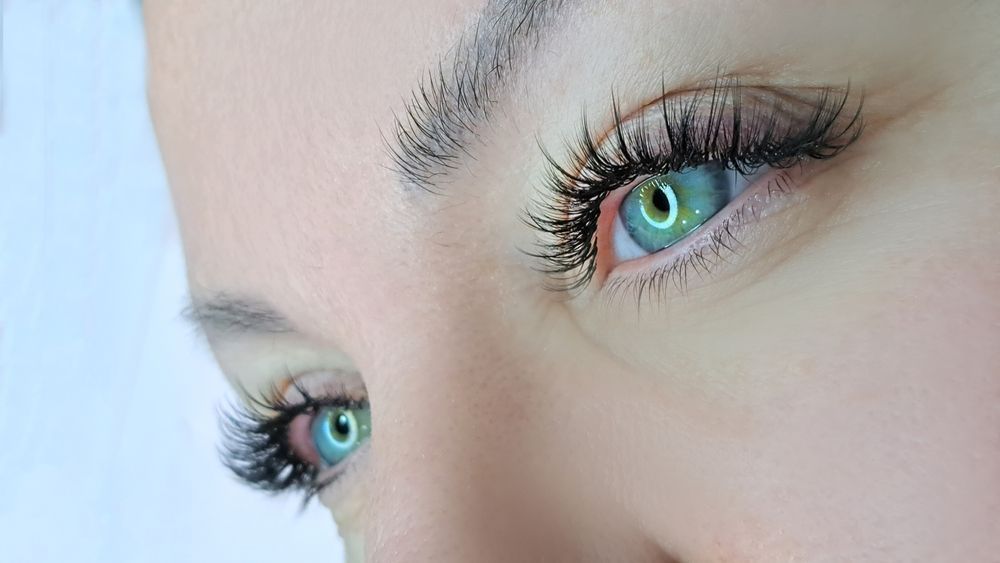
Many patients believe they need eyelid surgery when the real problem is a low eyebrow. Because the eyebrow supports the upper eyelid, brow descent can create the appearance of excess eyelid skin. During your consultation, Dr. Branch evaluates both the eyelids and the brows to determine which procedure—or combination of procedures—will produce the most natural and long-lasting result.
Have Questions? Reach Out To Us Today.
Take This First Step – We’re Here For You!
Contact Us
We will get back to you as soon as possible.
Please try again later.