
Peripheral Nerve Surgery
Finding the Source of Chronic Nerve Pain
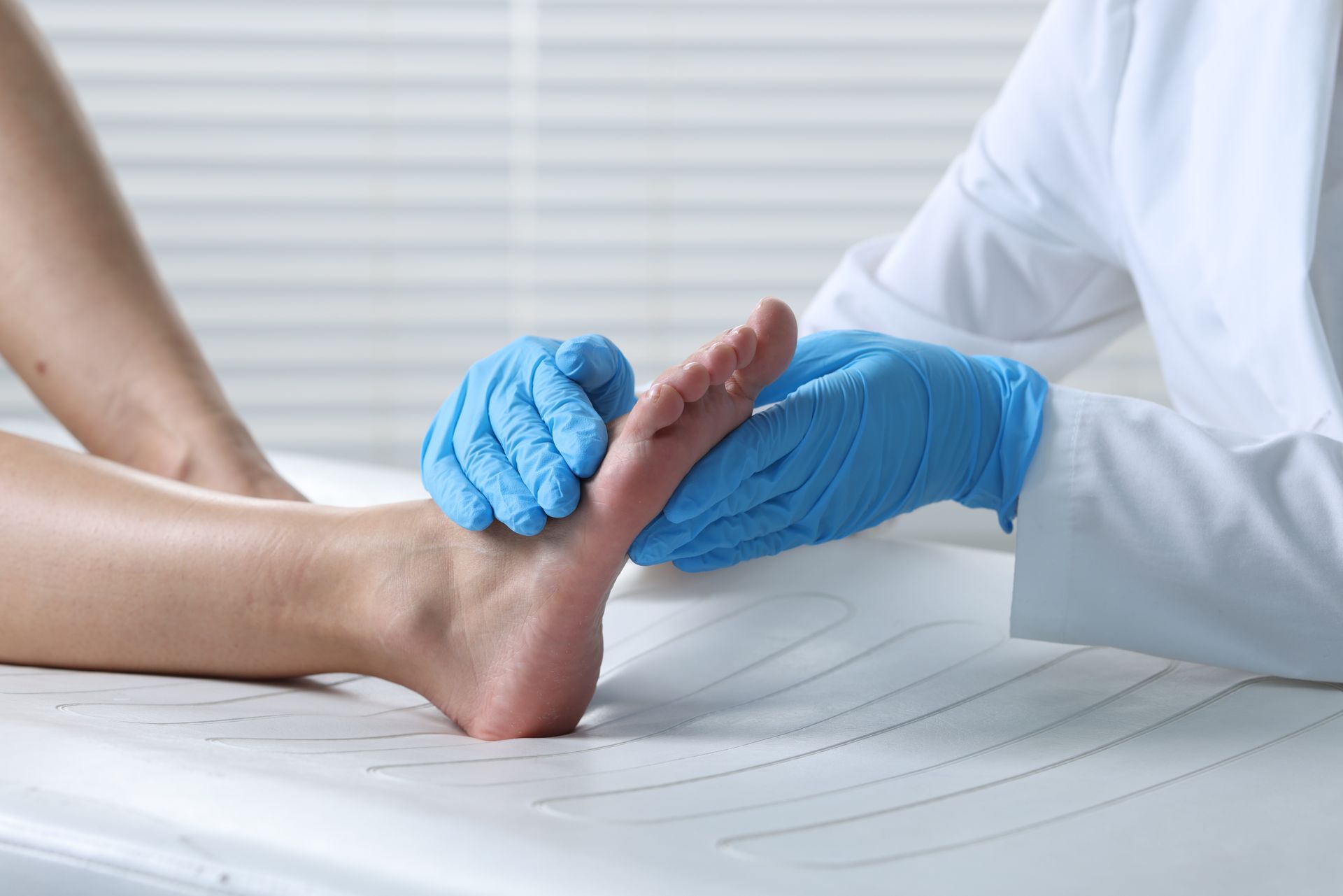
Peripheral nerves carry sensation from the skin, muscles, and joints to the brain. When these nerves become compressed, stretched, injured, or trapped within scar tissue, they can produce pain that is often very different from ordinary muscle or joint pain.
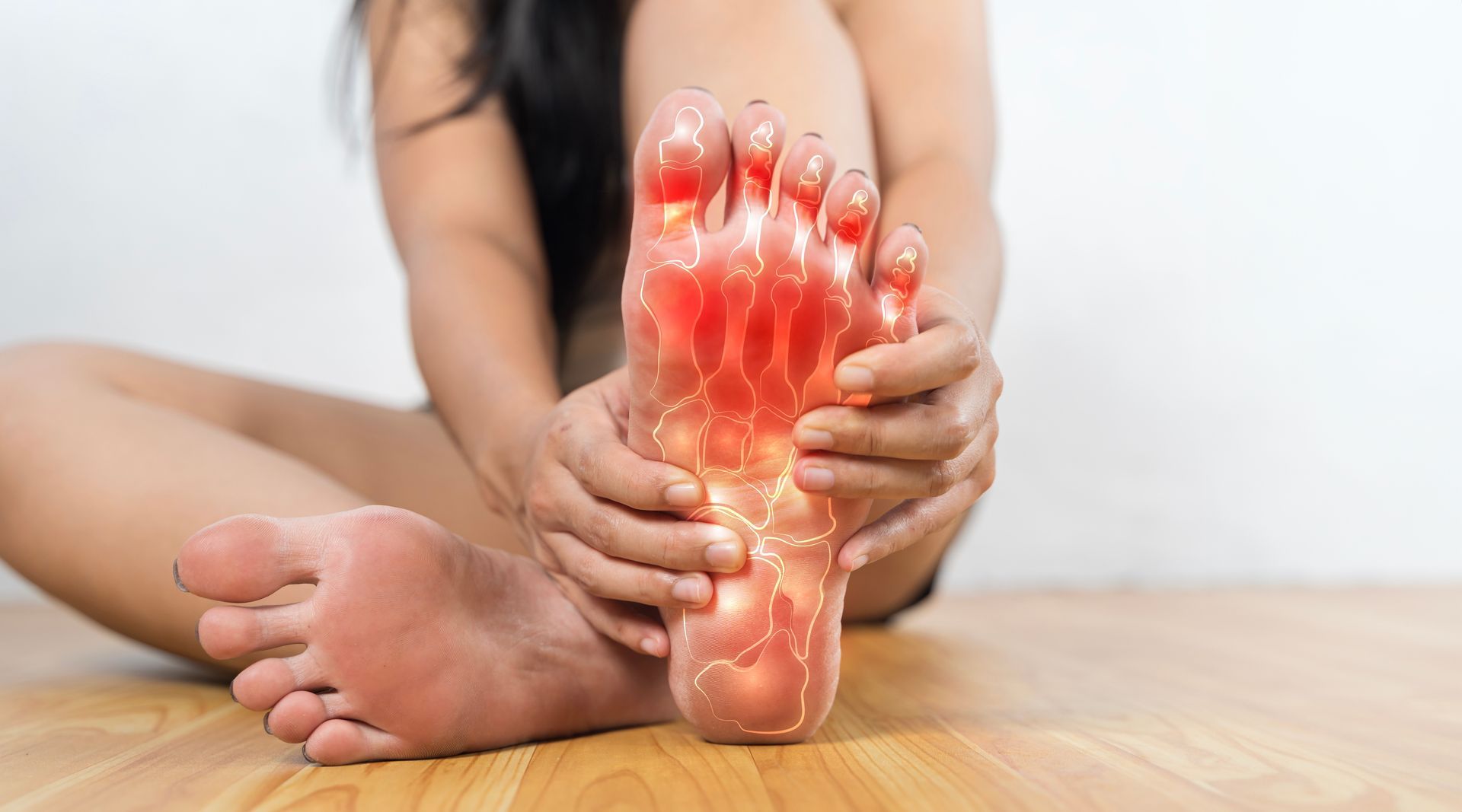
Patients may describe burning, tingling, numbness, electrical shocks, stabbing pain, sensitivity to touch, weakness, or pain that radiates into an arm or leg. Sometimes the symptoms are constant. In other patients, they occur only with certain movements or pressure over a specific nerve.
The first step toward successful treatment is identifying which nerve is responsible and understanding why it is being irritated.
Conditions We Treat
Our peripheral nerve practice includes evaluation and treatment of selected conditions such as:
- Peripheral nerve injuries
- Painful neuromas
- Stump pain following amputation
- Phantom limb pain
- Occipital neuralgia
- Migraine trigger nerves
- Chronic nerve compression syndromes
- Selected painful scar-related nerve injuries
- Persistent symptoms following previous nerve surgery
Our Surgical Philosophy
Successful nerve surgery is based upon careful diagnosis rather than simply treating symptoms.
Depending upon the underlying problem, treatment may involve:
- Nerve decompression
- Neuroma excision
- Targeted Muscle Reinnervation (TMR)
- Nerve relocation or reconstruction
- Scar release
- Fat grafting around chronically irritated nerves in carefully selected patients
- Collaboration with pain management, neurology, physical therapy, and rehabilitation specialists
Every patient receives an individualized treatment plan based upon the cause of the pain rather than a one-size-fits-all approach.
Targeted Muscle Reinnervation (TMR)
Targeted Muscle Reinnervation (TMR) is an advanced nerve procedure that redirects the end of an injured nerve into a nearby motor nerve supplying a small muscle.
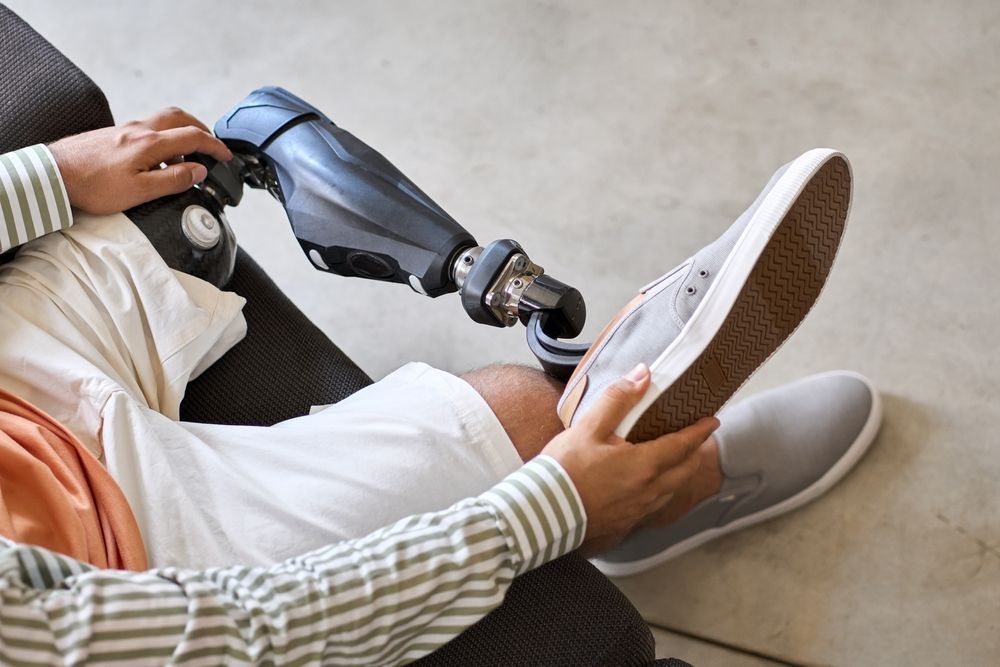
Originally developed to improve control of advanced prosthetic limbs, TMR has become an important treatment for preventing and treating painful neuromas and chronic stump pain following amputation.
By giving an injured nerve a new functional target, TMR may reduce the abnormal nerve signaling that contributes to chronic pain while improving comfort for patients using a prosthesis.
Not every patient is a candidate, but for carefully selected individuals, TMR can significantly improve quality of life.
Emerging Regenerative Approaches
Peripheral nerves recover slowly, and complete recovery is not always possible.
Dr. Branch is also investigating the role of autologous fat grafting as an adjunct to selected nerve procedures. Early research suggests that adipose tissue may improve the environment surrounding chronically injured nerves by reducing scar adherence, improving vascularity, and enhancing tissue quality.
These applications continue to be studied and are offered only in carefully selected patients as scientific evidence evolves.
The Consultation Matters Most
Not every burning or numb area is caused by a peripheral nerve problem.
During your consultation, Dr. Branch will carefully evaluate your history, physical examination, imaging and nerve studies when appropriate, previous treatments, and functional limitations before recommending the most appropriate course of care.
Sometimes surgery offers the best solution.
Sometimes another diagnosis—or another specialist—is the better answer.
Our goal is always the same: to identify the true source of your pain and recommend the treatment most likely to restore comfort, function, and quality of life.
Have Questions? Reach Out To Us Today.
Take This First Step – We’re Here For You!
Contact Us
We will get back to you as soon as possible.
Please try again later.