
Ear Surgery (Otoplasty)
Creating Natural Balance and Symmetry
The ears play an important role in the overall balance of the face. When they are unusually prominent, asymmetric, or misshapen, they can draw unwanted attention and become a source of self-consciousness for both children and adults.
Otoplasty, or ear surgery, is designed to improve the shape, position, and symmetry of the ears while maintaining a natural appearance. The goal is not simply to move the ears closer to the head—it is to create ears that look balanced, proportional, and unoperated upon.
Every Ear Is Different
Successful otoplasty begins with understanding why the ears appear prominent.
In some patients, the natural fold of the ear (the antihelical fold) has not fully developed. Others have an enlarged conchal bowl that pushes the ear away from the head. Many patients have a combination of both conditions, while some seek correction of asymmetry or deformities resulting from injury or previous surgery.
Carefully identifying the underlying cause allows Dr. Branch to tailor the operation to each patient's individual anatomy rather than performing the same procedure on every ear.
Our Surgical Approach
Dr. Branch uses techniques designed to produce a natural-looking ear with smooth contours and long-lasting results.
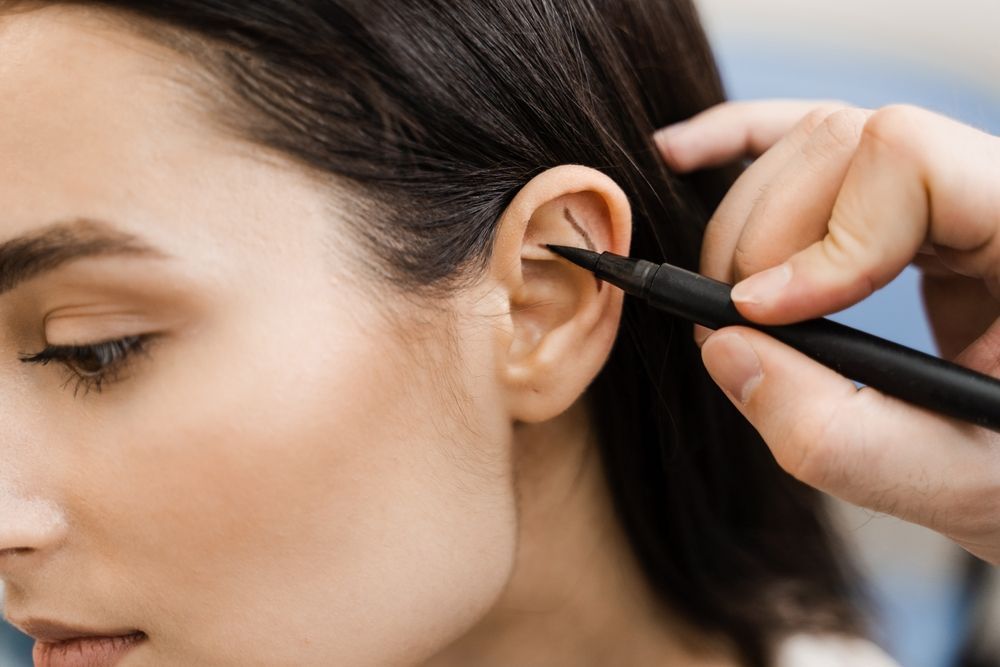
Incisions are typically hidden behind the ear, where they are well concealed after healing.
Whenever possible, cartilage is reshaped by carefully weakening and repositioning it rather than aggressively cutting or removing it. This approach helps preserve the smooth, rounded contours of the ear and minimizes the risk of creating sharp edges or an overly operated appearance.
The objective is to create ears that simply look naturally positioned rather than surgically altered.

Children and Adults
Ear surgery is commonly performed in children once the ears have reached near-adult size, usually around five to six years of age. This is often when the teasing begins and the “cute ears” become a liability for their mental health and confidence. Correcting prominent ears before school-age teasing becomes significant can have meaningful psychological benefits for some children.
Otoplasty is equally effective in teenagers and adults, many of whom have considered surgery for years before deciding to proceed.
What to Expect
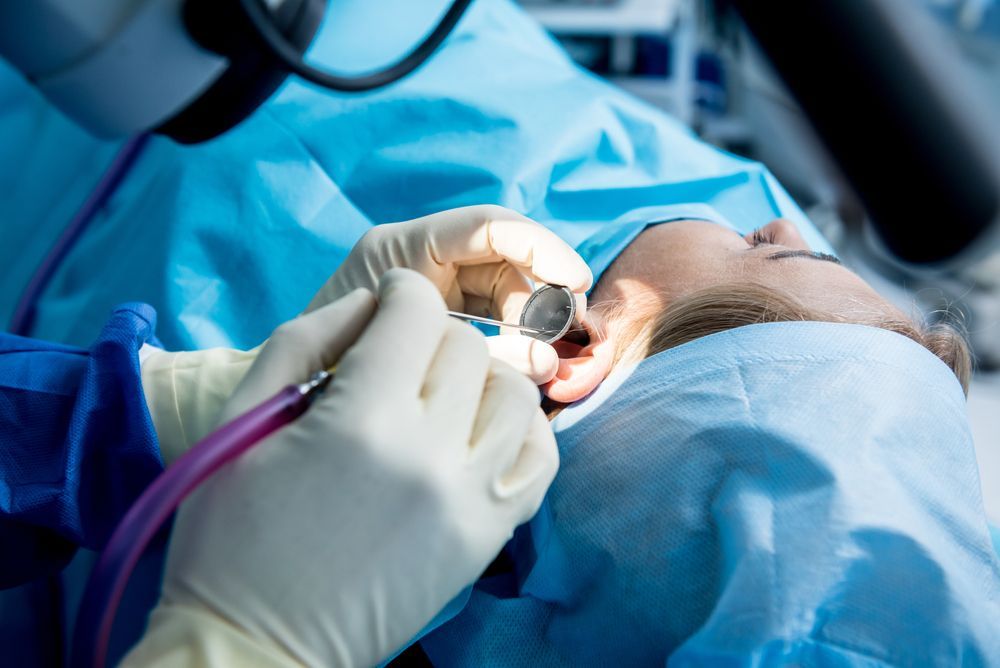
Otoplasty is generally performed as an outpatient procedure.
Young children typically undergo surgery under general anesthesia, while older teenagers and adults may be candidates for either general anesthesia or local anesthesia with sedation, depending on the individual procedure.
Most patients return to school or work within approximately one week. A protective headband is often recommended during healing, particularly at night, for several weeks. Contact sports and activities that could injure the ears should be avoided until healing is complete.
Although improvements are immediately noticeable, swelling gradually resolves over several weeks as the ears settle into their final position.
Understanding the Risks
As with any surgical procedure, otoplasty carries potential risks, including bleeding, infection, asymmetry, recurrence of ear prominence, unfavorable scarring, changes in skin or cartilage sensation, suture-related problems, contour irregularities, and the possible need for revision surgery.
These risks are discussed thoroughly during your consultation so that you can make an informed decision.
The Consultation Matters Most
Every patient's ears are unique, and every patient's goals are different.
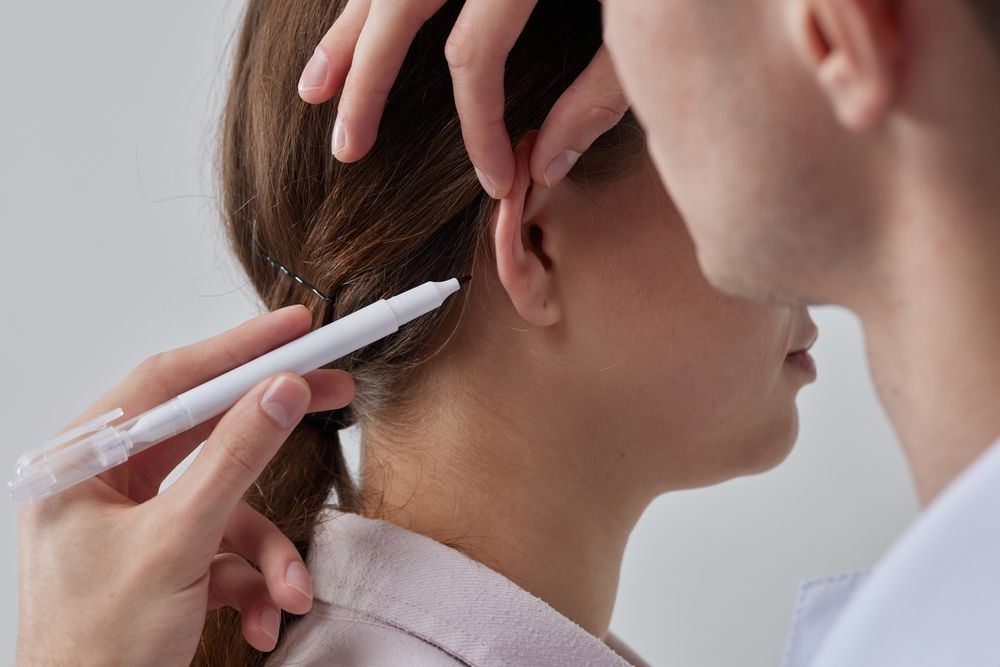
During your consultation, Dr. Branch will carefully evaluate your ear anatomy, explain the specific cause of the prominence or asymmetry, discuss the available surgical options, and recommend the approach most likely to achieve a natural, balanced, and lasting result.
The goal is not simply to make the ears smaller or flatter. It is to create ears that fit naturally with the rest of your facial features—and that no longer draw attention to themselves.
Have Questions? Reach Out To Us Today.
Take This First Step – We’re Here For You!
Contact Us
We will get back to you as soon as possible.
Please try again later.