
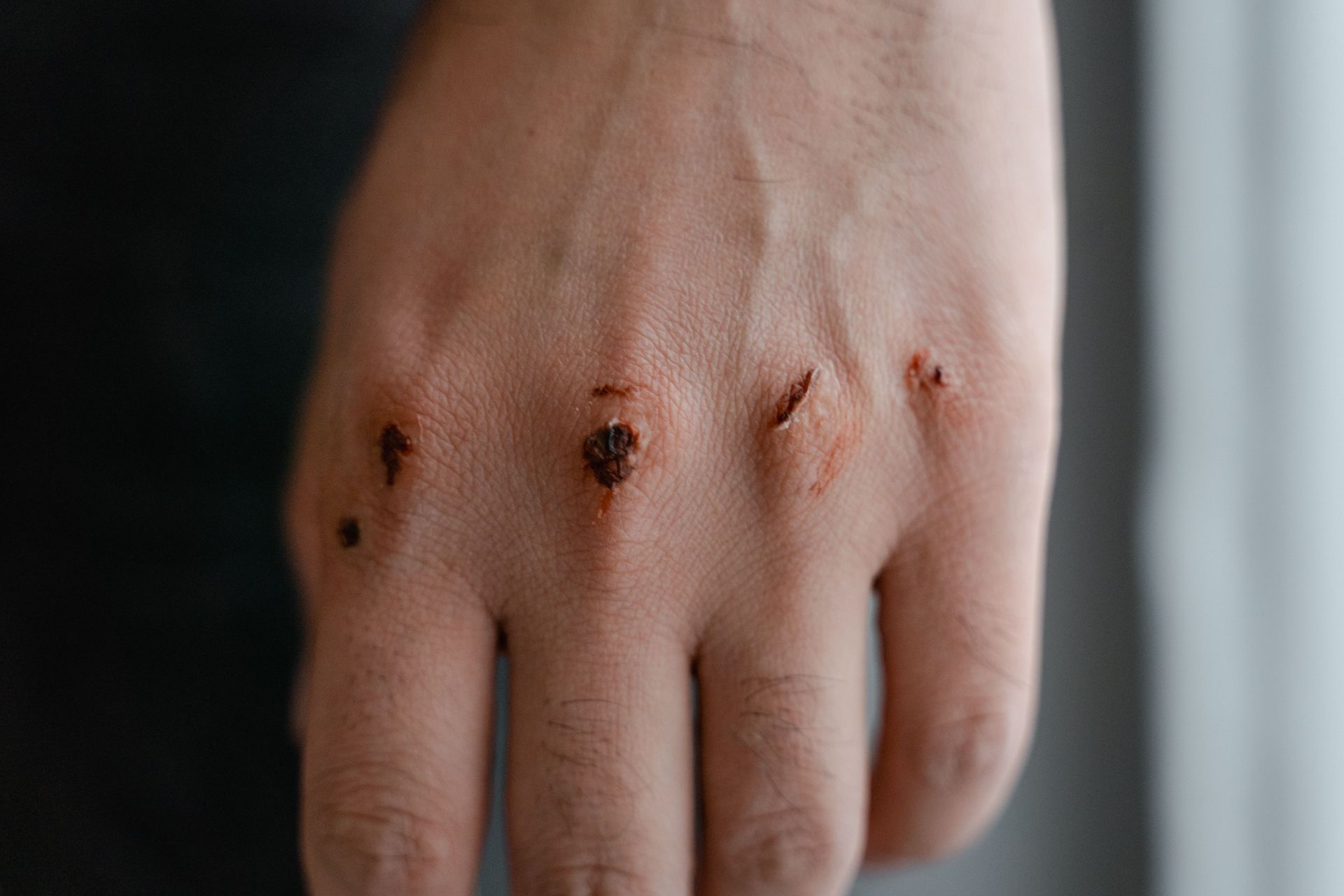
Chronic Wound Reconstruction
When a Wound Won't Heal, It's Time to Ask Why
Most wounds heal with appropriate medical care.
When a wound remains open for weeks or months despite treatment, it is often a sign that something is preventing normal healing. Simply changing dressings is rarely enough. Successful treatment begins by identifying—and correcting—the underlying problem.
For more than 26 years, Dr. David Branch has treated complex wounds resulting from trauma, surgery, diabetes, radiation therapy, pressure injury, infection, and other medical conditions using advanced reconstructive techniques designed to restore healthy, durable tissue coverage.
Every Chronic Wound Is Different
A chronic wound is not a diagnosis—it is the result of an underlying problem.
During your evaluation, Dr. Branch carefully considers factors such as:
- Blood supply to the affected tissue
- Pressure or repetitive trauma
- Infection
- Diabetes and other medical conditions
- Previous surgery or radiation treatment
- Exposed tendon, bone, hardware, or joints
- Overall nutritional status and healing potential
Only after understanding why the wound has failed to heal can the most appropriate treatment be selected.
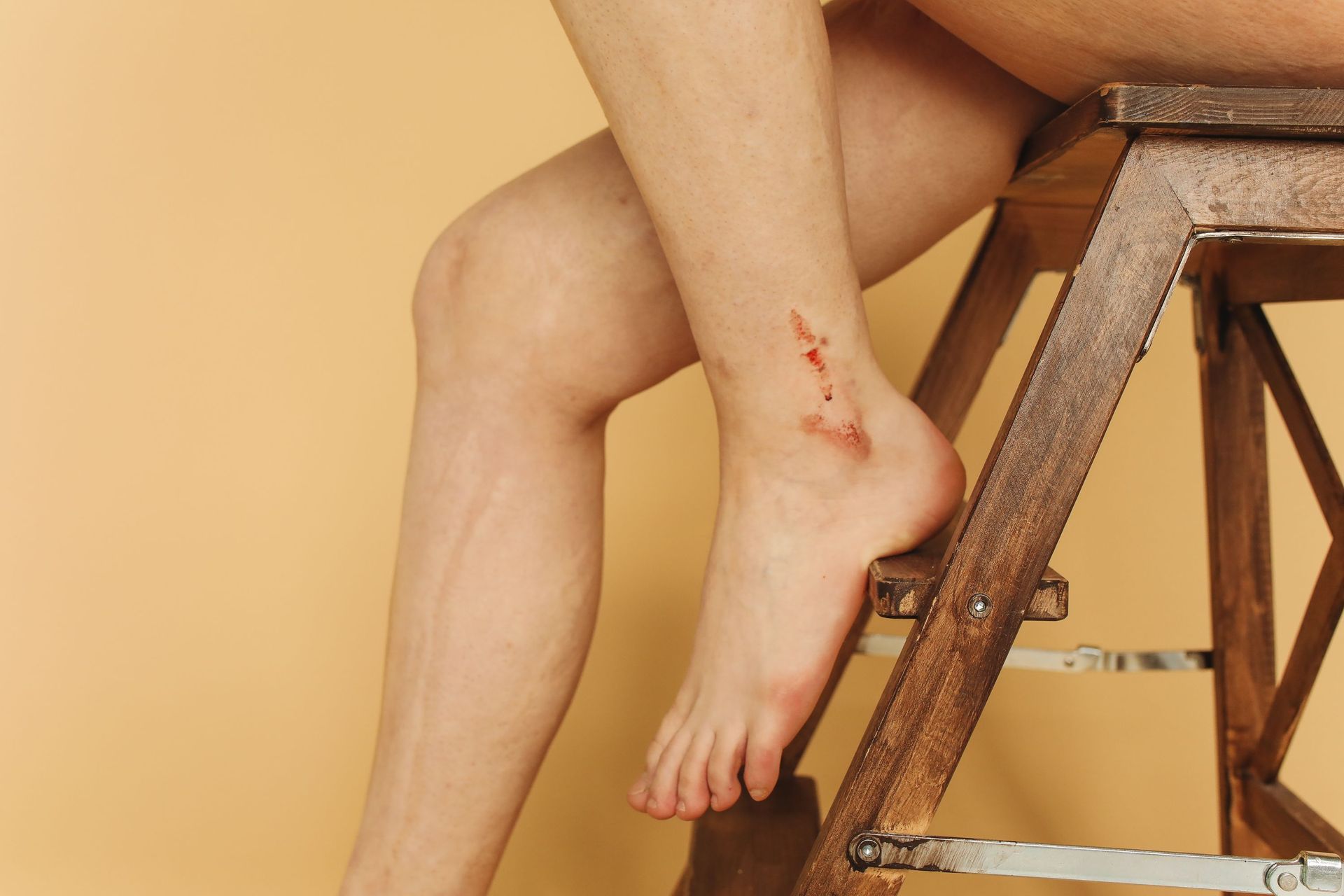
Advanced Reconstructive Options
Depending on the location and severity of the wound, treatment may include:
- Surgical debridement of nonviable tissue
- Split-thickness skin grafting
- Skin substitute technologies
- Local and regional flap reconstruction
- Coverage of exposed tendon, bone, or hardware
- Microsurgical tissue transfer (free flap reconstruction) when appropriate
- Pressure relief and off-loading strategies in collaboration with other specialists
Every treatment plan is individualized to restore durable, functional coverage while preserving as much normal tissue as possible.
Looking Toward the Future
One of the greatest challenges in chronic wound care is improving blood supply to tissues that have lost their ability to heal.
In addition to established reconstructive techniques, Dr. Branch is actively investigating the role of autologous fat grafting and regenerative therapies as potential methods of improving tissue quality and vascularity in carefully selected non-ischemic chronic wounds.
These treatments remain the subject of ongoing clinical research and are offered only in appropriate circumstances after careful patient evaluation.
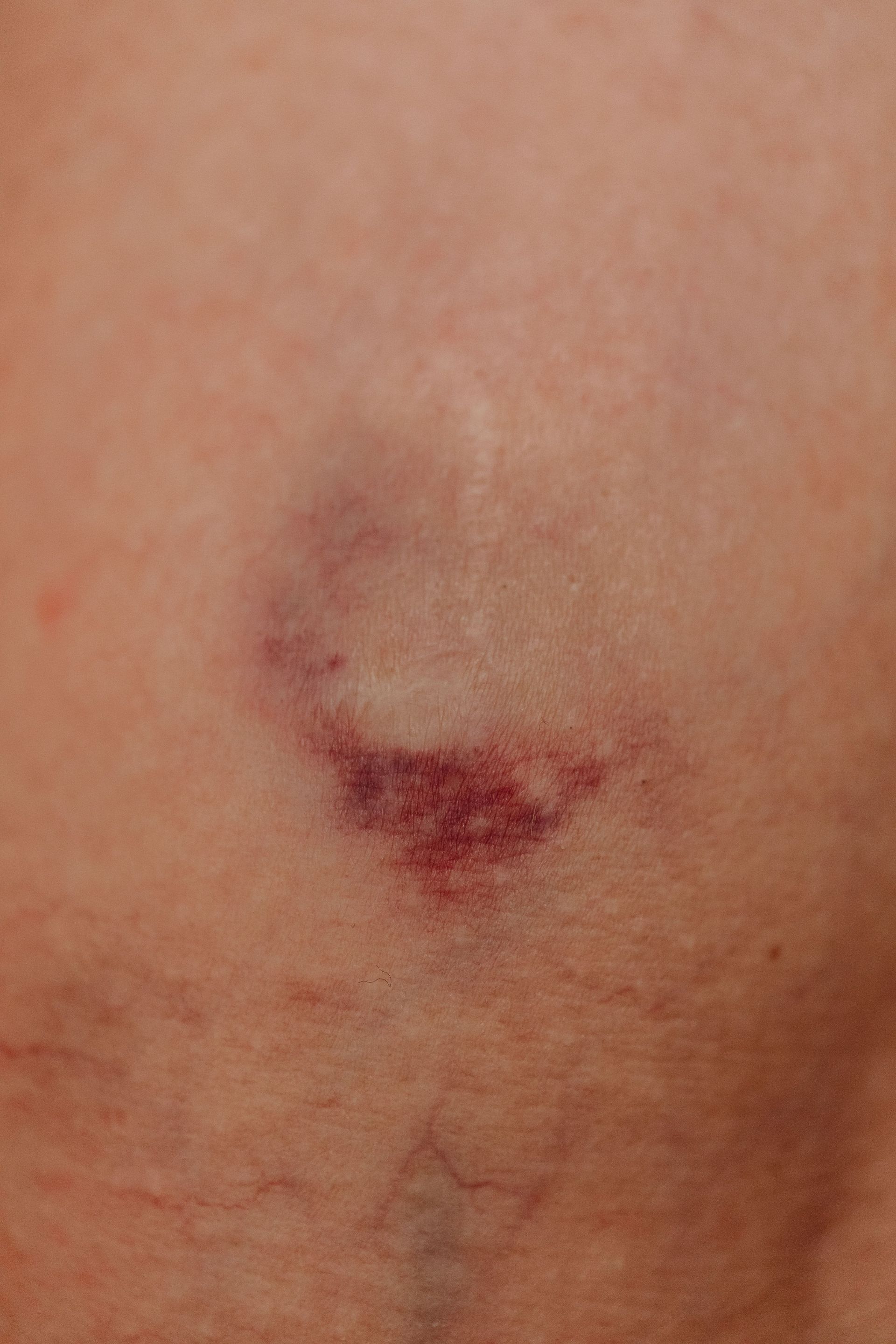
Our Philosophy
Successful wound reconstruction is about far more than simply closing a wound.
The goal is to restore healthy, durable tissue that allows patients to return to walking, working, wearing normal shoes or clothing, and enjoying everyday activities without the constant burden of a chronic wound.
Many patients come to us after months—or even years—of unsuccessful treatment. Although every wound cannot be healed, many can be significantly improved through thoughtful evaluation and individualized reconstructive planning.
The Consultation Matters Most
Every chronic wound has a story.
During your consultation, Dr. Branch will carefully evaluate the cause of the wound, review previous treatments, identify obstacles to healing, and discuss both established reconstructive options and, when appropriate, emerging regenerative approaches.
Our goal is not simply to close a wound.
It is to restore function, reduce pain, prevent recurrence, and improve your quality of life.
Have Questions? Reach Out To Us Today.
Take This First Step – We’re Here For You!
Contact Us
We will get back to you as soon as possible.
Please try again later.