

Photodynamic Therapy (PDT) - for sun damage and precancerous skin lesions
Treating Sun Damage Before It Becomes Skin Cancer
Years of sun exposure can leave behind areas of damaged skin containing numerous actinic keratoses (AKs)—precancerous lesions that have the potential to develop into squamous cell carcinoma.
Rather than treating one lesion at a time with freezing or surgery, Photodynamic Therapy (PDT) treats an entire area of sun-damaged skin, making it an excellent option for patients with multiple actinic keratoses or widespread sun damage of the face or scalp.
How PDT Works
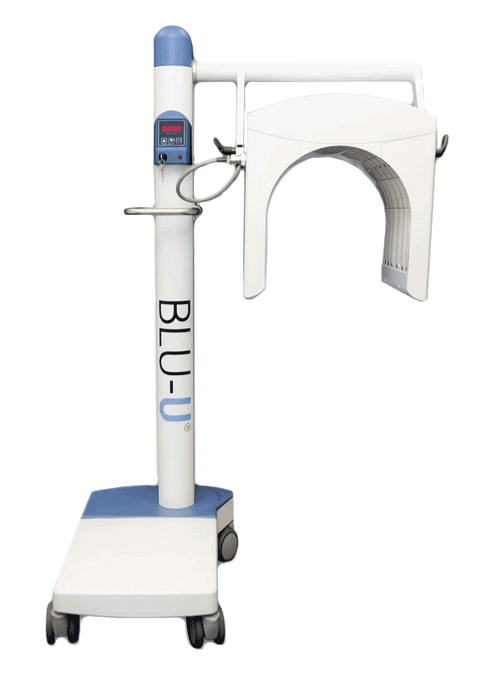
A light-sensitive medication is applied to the affected skin and allowed to be absorbed by the abnormal cells. The treated area is then exposed to a specialized light source that activates the medication, selectively destroying many of the damaged precancerous cells while minimizing injury to surrounding healthy tissue.
PDT can improve both the appearance and overall health of chronically sun-damaged skin.
Advantages of PDT
Photodynamic therapy offers several important benefits:
- Treats multiple precancerous lesions during one treatment.
- Addresses sun-damaged skin that may contain early lesions not yet visible.
- May reduce the future development of some skin cancers.
- Produces little or no permanent scarring.
- Is performed entirely as an outpatient procedure.
- Can be repeated safely when appropriate.
What to Expect
Following treatment, the skin typically becomes red, swollen, and may feel warm or sunburned for several days. Peeling and crusting are common as damaged skin heals.
Because the medication temporarily increases light sensitivity, patients must carefully avoid direct sunlight and bright indoor light for approximately 48 hours after treatment. Sunscreen alone is not sufficient during this period, and protective clothing and hats are recommended whenever exposure cannot be avoided.
Most patients notice gradual improvement in both skin texture and appearance over the following several weeks.
Is PDT Right for You?
Photodynamic therapy is an excellent treatment option for many patients with multiple actinic keratoses or extensive sun damage, but it is not appropriate for every skin cancer or every patient.
During your consultation, Dr. Branch will determine whether PDT, cryotherapy, topical medications, surgical excision, Mohs surgery, or another treatment offers the safest and most effective approach for your particular condition.
Our goal is not simply to treat today's visible lesions—it is to help preserve the long-term health of your skin while reducing your future risk of skin cancer.
Have Questions? Reach Out To Us Today.
Take This First Step – We’re Here For You!
Contact Us
We will get back to you as soon as possible.
Please try again later.