

Trigger Finger (Stenosing Tenosynovitis)
Relieving Pain, Catching, and Locking of the Fingers
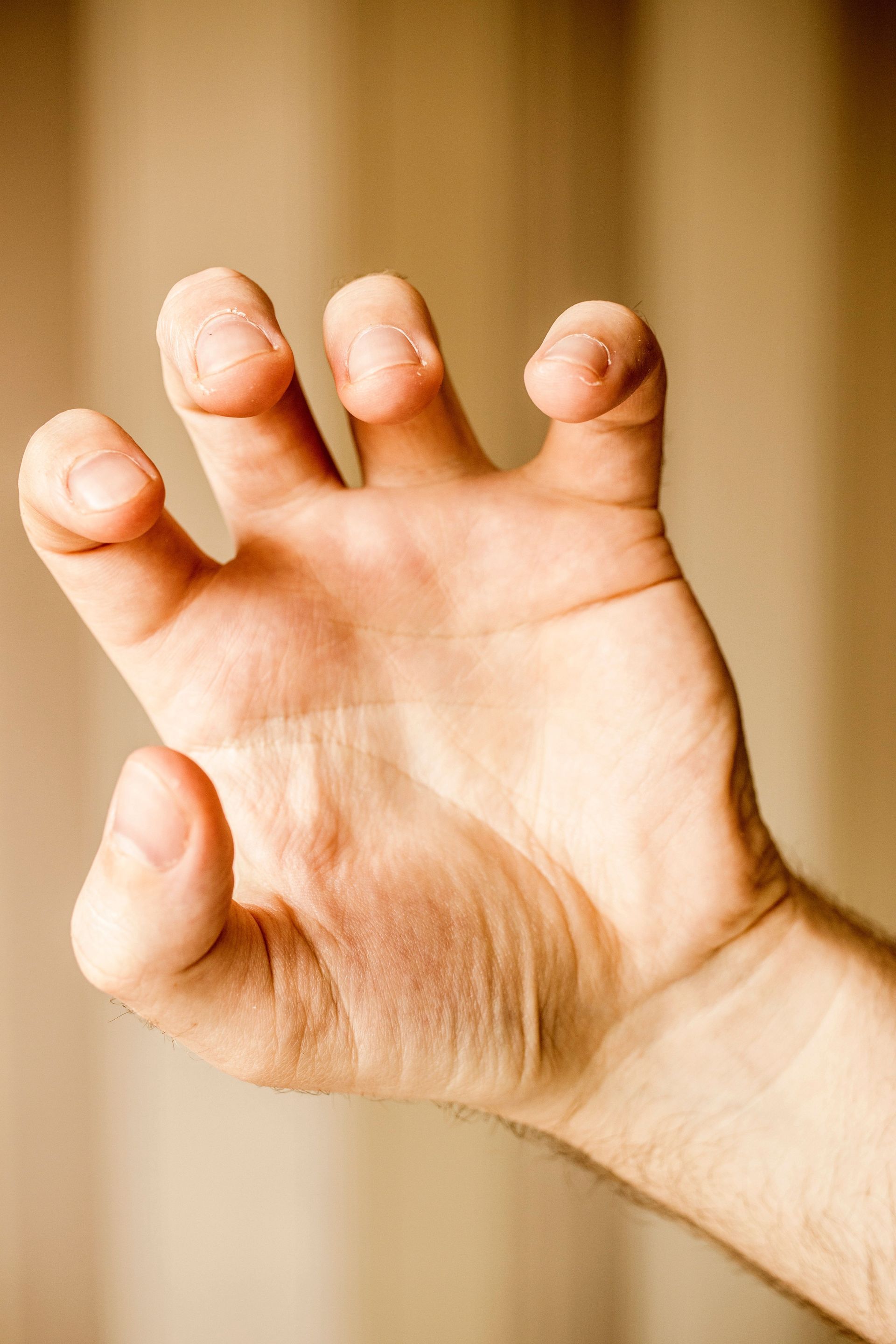
Trigger finger is a common condition in which one of the flexor tendons becomes irritated as it glides beneath a ligament, or pulley, in the palm. As the tendon becomes inflamed and thickened, it no longer moves smoothly through the pulley, causing the finger to catch, click, snap, or lock during motion.
Many patients notice symptoms first thing in the morning, while others experience pain in the palm, stiffness, or progressive difficulty straightening the finger. In more advanced cases, the finger may become locked in a bent position and require the other hand to straighten it.
Trigger finger commonly affects the thumb, ring finger, and middle finger and is more frequently seen in patients with diabetes, inflammatory arthritis, or repetitive hand use, although it often occurs without an identifiable cause.
Treatment Options
Early trigger finger often responds to activity modification, splinting, anti-inflammatory treatment, or corticosteroid injection.
When symptoms persist, recur, or the finger begins locking, surgical release offers a highly reliable and permanent solution.
Our Surgical Approach
Trigger finger release is typically performed as a brief outpatient procedure using local anesthesia.
Through a small incision in the palm, the constricting pulley is carefully divided, allowing the tendon to glide freely once again. The procedure usually takes only a few minutes, and patients are encouraged to begin moving the finger immediately after surgery to restore normal motion and minimize stiffness.
What to Expect
Most patients notice immediate improvement in the catching and locking of the finger.
Mild soreness in the palm is common for several weeks while the incision heals, but normal hand use is encouraged soon after surgery. Sutures are generally removed within one to two weeks, and most patients return to normal activities quickly.
Occasionally, longstanding trigger fingers remain stiff for a period of time because the joints have adapted to the contracted position. Hand therapy may be recommended when necessary.
The Consultation Matters Most
Not every painful or stiff finger is a trigger finger.
During your consultation, Dr. Branch will carefully examine your hand to determine whether your symptoms are caused by trigger finger or another condition such as arthritis, tendon injury, or nerve compression.
The goal is not simply to eliminate the clicking.
It is to restore comfortable, smooth finger motion so that you can return to everyday activities without pain or limitation.
Have Questions? Reach Out To Us Today.
Take This First Step – We’re Here For You!
Contact Us
We will get back to you as soon as possible.
Please try again later.