Facelift (Rhytidectomy)
Looking Refreshed—Not Different
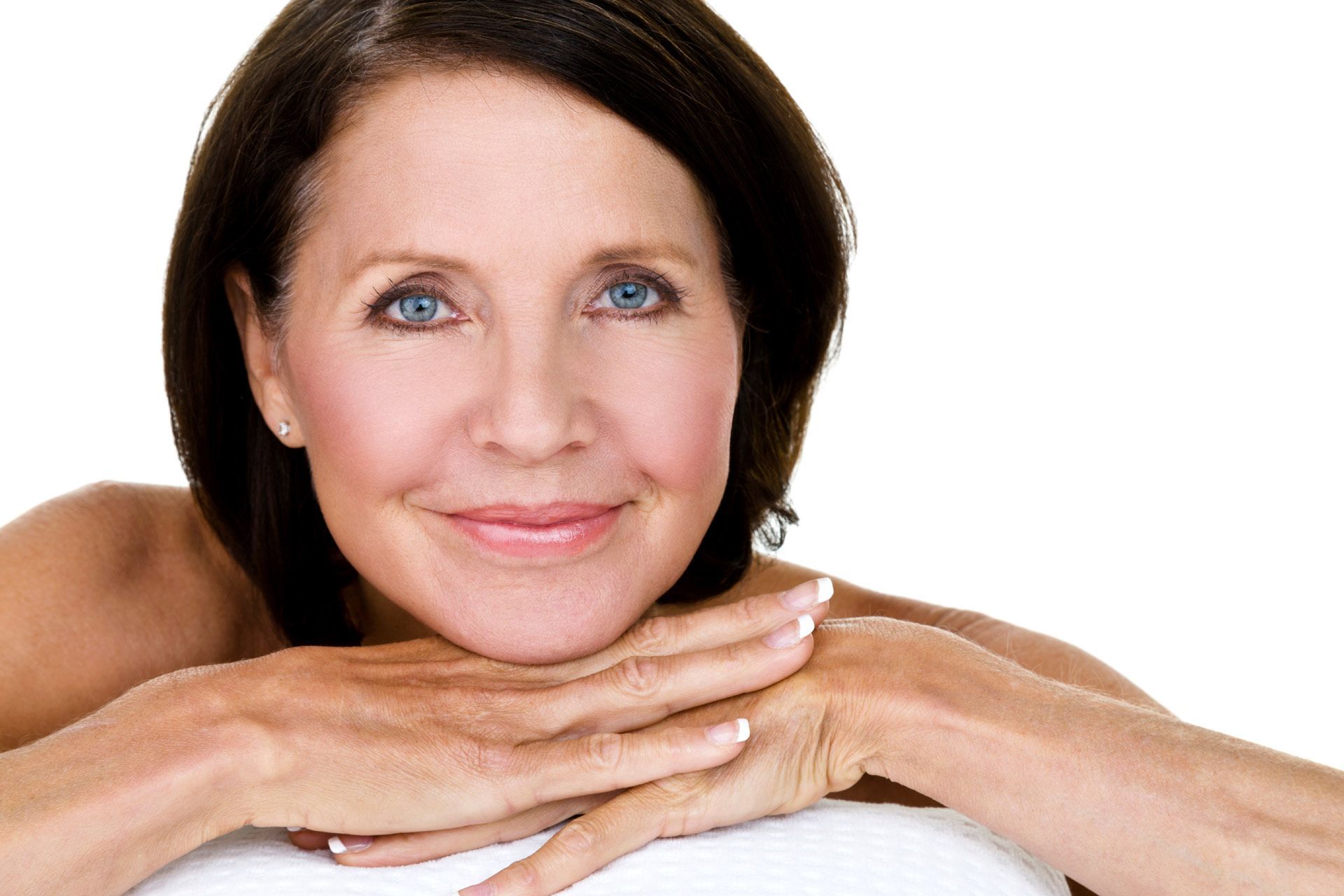
A successful facelift should never announce that you have had surgery.
Our goal is not to create a different face. It is to restore the natural contours and youthful proportions that time has gradually changed. Friends may notice that you look rested, healthier, or more vibrant without being able to identify exactly why.
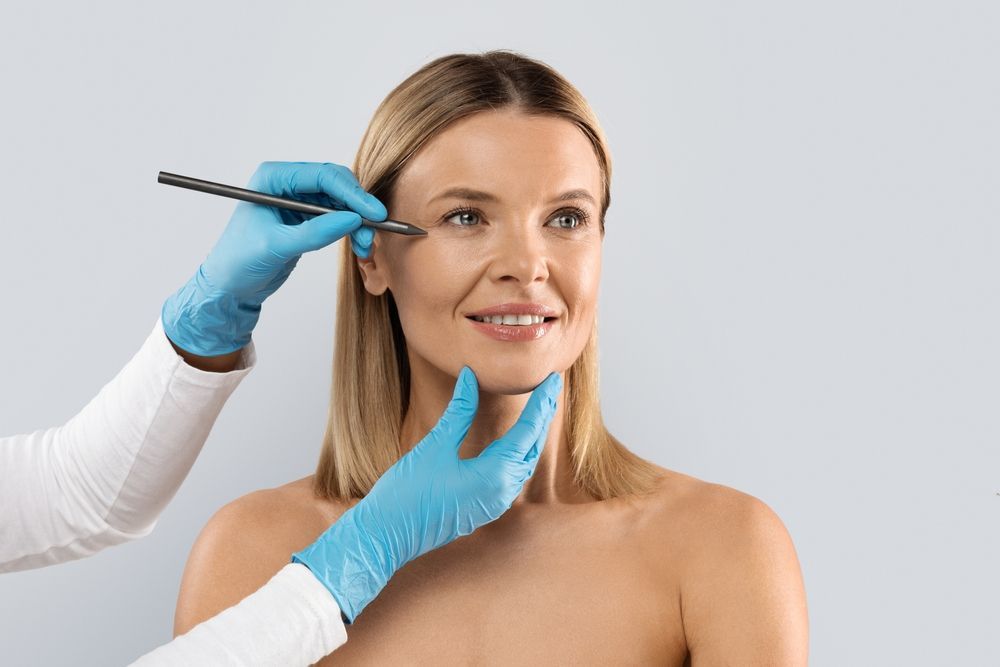
At Bangor Plastic and Hand Surgery, every facelift is individualized to the patient’s facial anatomy, degree of aging, skin quality, and personal goals. During your consultation, we spend considerable time discussing what bothers you most, what improvements are realistically achievable, and developing a shared vision of your desired outcome.
Our Approach
Dr. David Branch performs facelift surgery using a limited SMAS, or superficial musculoaponeurotic system, dissection. Rather than simply tightening the skin, this technique repositions the deeper supporting tissues of the face to improve jowling, restore the jawline, and create a more natural and durable result.
Equally important is restoring youthful facial volume.
As we age, facial fat gradually diminishes and descends, leaving the cheeks flatter and the face more hollow. When appropriate, Dr. Branch combines facelift surgery with carefully placed autologous fat grafting, using the patient’s own tissue to restore youthful contours and soften transitions around the cheeks, temples, jawline, and other areas that have lost volume over time.
The goal is not to make someone look “done.” The goal is to restore balance, shape, and vitality while preserving the individual features that make each face recognizable.
Youthful Faces Are Three-Dimensional
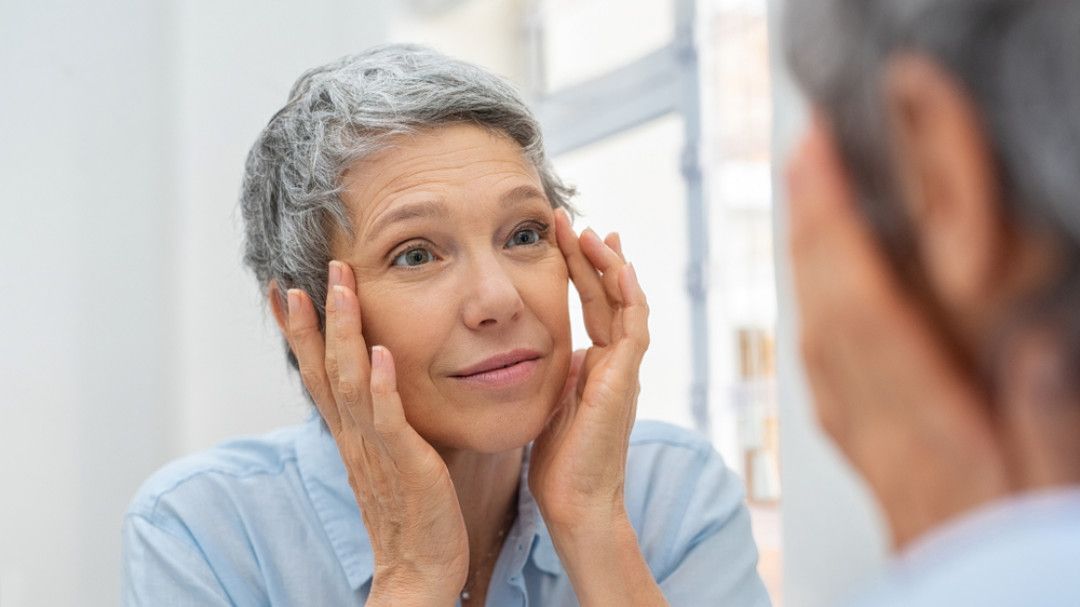
Facial aging is not caused by loose skin alone.
Over time, the deeper tissues descend, the jawline becomes less defined, and facial volume is gradually lost. Tightening the skin without addressing these changes can create a result that looks overly pulled or unnatural.
A more complete approach considers the face in three dimensions. By repositioning the deeper supporting tissues and selectively restoring lost volume with a patient’s own fat, it is often possible to achieve a softer, more balanced, and more natural result than tightening alone.
Fat grafting has been used by Dr. Branch for more than a decade in facial and breast surgery. In facial rejuvenation, it may be used to restore volume in carefully selected areas while maintaining natural proportions and avoiding an overfilled appearance.
A Natural New England Philosophy
Beauty means different things to different people.
Here in New England, many patients tell us they want to look like themselves—simply younger, healthier, and less tired. They want friends and family to notice that they look well, not wonder what procedure they had.
That philosophy has guided Dr. Branch throughout his career. Rather than pursuing an over-tightened or dramatically altered appearance, his focus is on creating elegant, natural-looking results that age gracefully and remain in harmony with each patient’s facial features.
What a Facelift Can Improve
A facelift may help improve:
- Jowling along the jawline
- Sagging of the lower face
- Loose skin of the face and upper neck
- Loss of definition between the face and neck
- Flattening or descent of the cheeks
- Facial hollowing related to volume loss
- A tired or prematurely aged appearance
A facelift does not stop the aging process, and it does not necessarily address every area of the face. Depending on the patient’s goals, it may be combined with eyelid surgery, brow lifting, neck contouring, laser resurfacing, or fat grafting.
What to Expect
Facelift surgery is generally performed as an outpatient procedure under general anesthesia or intravenous sedation. The operation usually lasts several hours, depending on the extent of surgery and whether other procedures are performed at the same time.
Bruising and swelling are expected during the early recovery period. Most patients begin to feel comfortable returning to social activities within approximately two to three weeks, although healing varies from person to person.
The face will continue to soften and settle as swelling resolves over the following weeks and months. Incisions are placed as discreetly as possible around the ear and hairline, although all surgery results in scars. These scars usually become less noticeable with time.
Understanding the Risks
As with any surgery, facelift surgery involves potential risks. These may include bleeding, infection, delayed healing, scarring, asymmetry, changes in sensation, temporary or rarely permanent weakness of a facial nerve, hairline changes, skin loss, or the possible need for additional surgery.
Smoking, nicotine use, certain medical conditions, and some medications can increase the risk of healing problems. Dr. Branch will review your medical history, explain the risks relevant to you, and help determine whether surgery can be performed safely.
The Consultation Matters Most
Perhaps the most important part of a facelift is not the operation itself.
The best results begin with an honest conversation about expectations.
Dr. Branch believes one of his greatest responsibilities is helping patients understand what surgery can accomplish, what it cannot, and what to expect as the face heals and changes over the following weeks, months, and years.
The goal of the consultation is not to convince someone to have surgery. It is to help each patient decide whether surgery is the right choice and, when it is, to create an accurate shared vision of the intended result.
If you are considering facial rejuvenation, we invite you to schedule a consultation to discuss your goals, explore your options, and determine whether a facelift or a less invasive approach may be most appropriate for you.
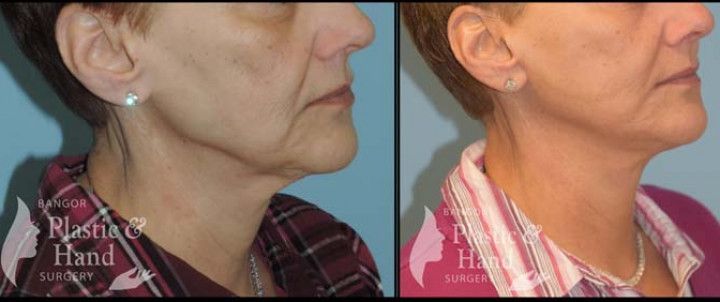
1 year post Facelift
Have Questions? Reach Out To Us Today.
Take This First Step – We’re Here For You!
Contact Us
We will get back to you as soon as possible.
Please try again later.